




What is the difference between a passive and an active aluminum heat sink?
 Aug 11, 2026|
As a seasoned supplier of Aluminum Heat Sinks, I've witnessed firsthand the critical role these components play in various industries, from electronics to automotive. One of the most common questions I encounter is about the difference between passive and active aluminum heat sinks. In this blog, I'll delve into the nuances of these two types, their applications, and how they stack up against each other.
Understanding the Basics: Passive Aluminum Heat Sinks
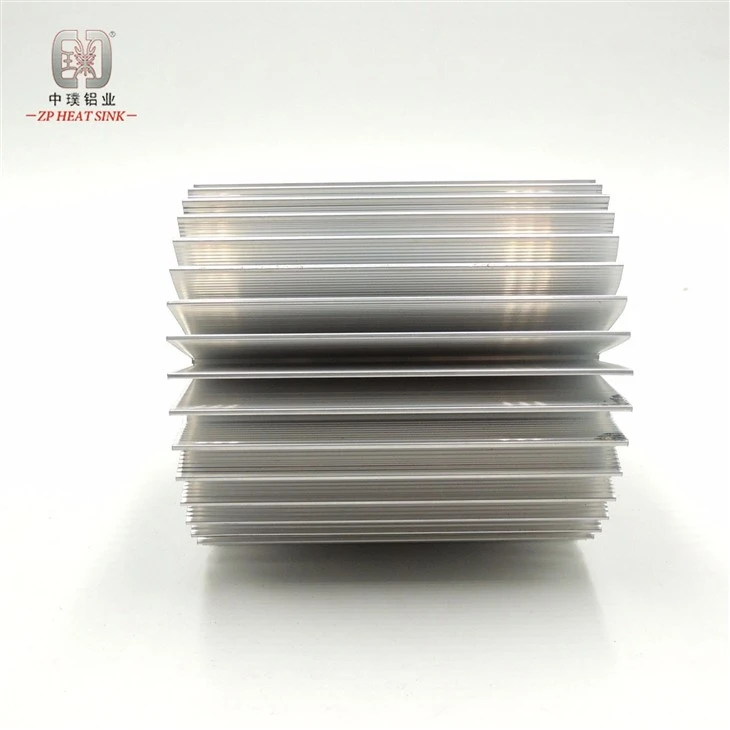
Passive aluminum heat sinks are the unsung heroes of thermal management. They operate without the need for any external power source, relying solely on natural convection and radiation to dissipate heat. Picture a simple fin - array on a small electronic device; that's a classic example of a passive heat sink.
The design of passive heat sinks is straightforward yet effective. Aluminum is an ideal material due to its high thermal conductivity, low cost, and lightweight nature. The fins on a passive heat sink increase the surface area, allowing more heat to be transferred from the heat - generating component to the surrounding air.
One of the primary advantages of passive heat sinks is their reliability. With no moving parts, there is less risk of mechanical failure, which makes them suitable for applications where maintenance is difficult or costly. They are also quiet, making them a popular choice for consumer electronics such as laptops, where noise can be a significant annoyance to users.

However, passive heat sinks do have their limitations. Their cooling capacity is limited by the natural flow of air around them. In environments with poor air circulation or for components that generate a large amount of heat, passive heat sinks may not be sufficient to keep temperatures in check.
The Power of Active Aluminum Heat Sinks
In contrast, active aluminum heat sinks incorporate a power - driven component, typically a fan or a pump, to enhance the heat - dissipation process. This added energy allows for a more significant increase in the rate of heat transfer compared to passive heat sinks.
Active heat sinks can be further classified into two main types: air - cooled and liquid - cooled. Air - cooled active heat sinks use a fan to force air over the fins of the aluminum heat sink, increasing the convective heat transfer. This type is commonly used in desktop computers, servers, and industrial equipment.
Liquid - cooled active heat sinks, on the other hand, use a liquid coolant (usually water or a water - glycol mixture) to absorb heat from the component and transfer it to a radiator, where it is dissipated into the air. This method is more efficient at removing large amounts of heat and is often used in high - performance computing systems, such as gaming PCs and data centers.
The main advantage of active heat sinks is their superior cooling performance. They can handle much higher heat loads than passive heat sinks, making them essential for applications with high - power components. Additionally, active heat sinks can be more compact for a given cooling capacity, which is beneficial in space - constrained environments.
However, active heat sinks also come with some drawbacks. They require a power source, which adds to the energy consumption of the system. The moving parts, such as fans and pumps, are also more prone to failure over time, increasing the need for maintenance.
Applications of Passive and Active Aluminum Heat Sinks
The choice between passive and active aluminum heat sinks depends largely on the specific application.
Passive Heat Sink Applications
- Consumer Electronics: As mentioned earlier, laptops, tablets, and smartphones often use passive heat sinks. These devices require a quiet and reliable cooling solution, and the heat generated is usually within the capacity of a passive heat sink.
- LED Lighting: LED lights produce heat, and passive heat sinks are commonly used to keep the temperature of the LEDs within an acceptable range. The simplicity and long - term reliability of passive heat sinks make them a perfect fit for this application.
- Low - Power Industrial Equipment: Some industrial control systems and sensors generate relatively low amounts of heat. Passive heat sinks can be used to maintain a stable operating temperature without the need for additional power or complex cooling systems.
Active Heat Sink Applications
- High - Performance Computing: Desktop computers with powerful processors and graphics cards, as well as servers in data centers, require active heat sinks to dissipate the large amounts of heat generated by these components. Air - cooled and liquid - cooled active heat sinks are both commonly used in this field.
- Automotive Electronics: In modern vehicles, there are many high - power electronic components, such as engine control units and power inverters. Active heat sinks are used to ensure these components operate at optimal temperatures, even under harsh conditions.
- Telecommunications Equipment: Base stations and network switches generate significant heat. Active heat sinks are essential for maintaining the reliability and performance of these critical communication systems.
Comparing the Two: A Side - by - Side Analysis
Let's compare passive and active aluminum heat sinks based on several key factors:
Cooling Performance
Active heat sinks clearly outperform passive heat sinks in terms of cooling capacity. They can handle much higher heat loads, making them suitable for high - power applications. Passive heat sinks, while effective for low - to medium - power components, may struggle to keep up in more demanding situations.
Energy Consumption
Passive heat sinks consume no additional energy since they rely on natural heat transfer mechanisms. Active heat sinks, on the other hand, require a power source to operate the fan or pump, which increases the overall energy consumption of the system.
Noise Level
Passive heat sinks are completely silent as they have no moving parts. Active heat sinks, especially those with high - speed fans, can generate a significant amount of noise. This is an important consideration in applications where noise is a concern, such as in consumer electronics.
Reliability and Maintenance
Passive heat sinks are highly reliable due to their lack of moving parts. They generally require little to no maintenance over their lifespan. Active heat sinks, with their moving components, are more prone to failure and may require regular maintenance, such as cleaning the fans or replacing the coolant.
Cost
Passive heat sinks are typically less expensive to manufacture and purchase. They also have lower long - term costs due to their low maintenance requirements. Active heat sinks, with their additional components and power requirements, are more expensive upfront and may incur higher operating costs over time.
Our Aluminum Heat Sink Offerings
As a supplier, we offer a wide range of aluminum heat sinks to meet the diverse needs of our customers. Whether you need a passive heat sink for a low - power application or an active heat sink for a high - performance system, we have the solution for you.
We offer Precision Round Aluminum Heat Sinks that are designed for applications where space is limited and precise cooling is required. These heat sinks feature a unique round design that maximizes the surface area for efficient heat transfer.
Our Insert Fin Heat Sink is another popular option. It combines the high thermal conductivity of aluminum with a fin design that can be customized to meet specific cooling requirements. This type of heat sink is suitable for both passive and active cooling applications.
For applications that require flexibility and high - performance cooling, we offer Flexible Aluminum Folding Fin Heat Sinks. These heat sinks can be easily bent and shaped to fit into complex geometries, making them ideal for custom - designed electronic devices.
Conclusion and Invitation to Contact
In conclusion, understanding the difference between passive and active aluminum heat sinks is crucial for selecting the right cooling solution for your application. Each type has its own advantages and disadvantages, and the choice depends on factors such as cooling performance, energy consumption, noise level, reliability, and cost.
As a trusted supplier of aluminum heat sinks, we are committed to providing high - quality products and excellent customer service. If you have any questions about our heat sinks or need help selecting the right solution for your project, please don't hesitate to contact us. We look forward to discussing your requirements and working with you to find the perfect cooling solution.
References
- Incropera, F. P., & DeWitt, D. P. (2001). Fundamentals of Heat and Mass Transfer. John Wiley & Sons.
- Cengel, Y. A. (2003). Heat Transfer: A Practical Approach. McGraw - Hill.