




What is the impact of air flow on the performance of Skived Fin Heat Sinks?
 Nov 25, 2026|
Airflow plays a crucial role in the performance of skived fin heat sinks. As a skived fin heat sink supplier, I've seen firsthand how the right or wrong airflow can make or break the efficiency of these heat management solutions. In this blog, I'll dive into the impact of airflow on skived fin heat sinks, sharing some insights based on my experience in the industry.
How Skived Fin Heat Sinks Work
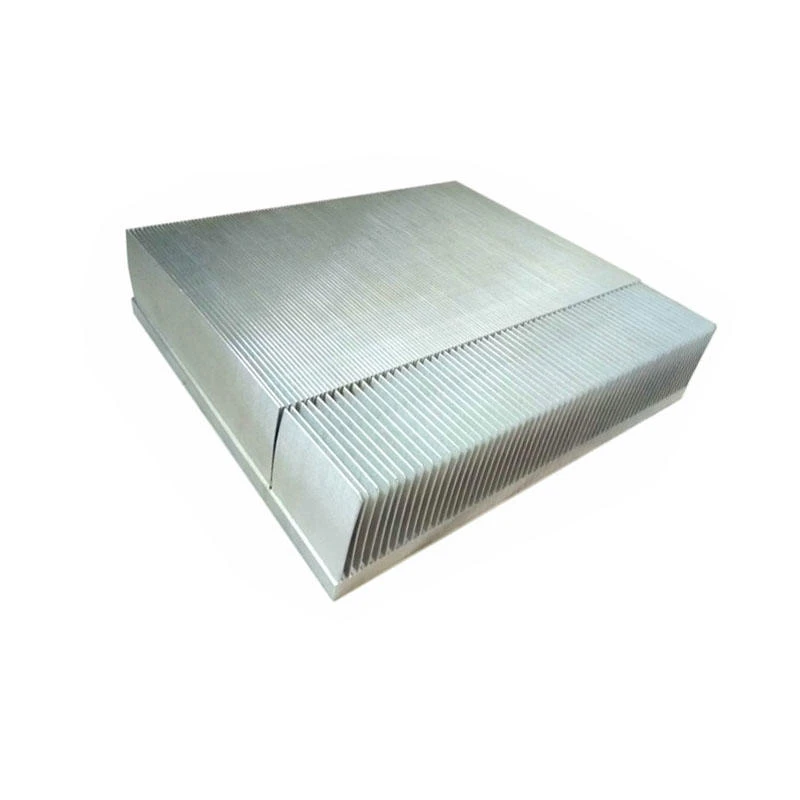
Before we get into airflow, let's quickly go over how skived fin heat sinks work. Skived fin heat sinks are made using a special skiving technology. This process involves cutting thin fins from a solid block of material, usually aluminum. The result is a heat sink with high - density fins that can effectively transfer heat from a hot component to the surrounding air.
You can learn more about the technology behind these heat sinks here: Skived Fin Heat Sinks: High - Density Cooling With Precision Skiving Technology.
The Basics of Airflow and Heat Transfer
Heat transfer in a skived fin heat sink mainly occurs through convection. When air flows over the fins of the heat sink, it absorbs the heat from the fins and carries it away. The rate of heat transfer depends on several factors, including the temperature difference between the fins and the air, the surface area of the fins, and the velocity of the airflow.
A higher airflow velocity generally means better heat transfer. This is because faster - moving air can carry away the heat more quickly, reducing the temperature of the fins and allowing more heat to be transferred from the component to the fins.
Positive Impact of Good Airflow on Skived Fin Heat Sinks
Enhanced Heat Dissipation
Good airflow significantly enhances the heat dissipation capabilities of skived fin heat sinks. When the air moves steadily over the fins, it creates a continuous cycle of heat absorption and removal. For high - power components that generate a large amount of heat, such as in power systems, this is essential.
For example, in a power system, a Large Aluminum Skiving Heat Sink for Power System can effectively transfer heat to the air if there is proper airflow. The high - density fins of the skived heat sink provide a large surface area for heat transfer, and the good airflow ensures that the heat is carried away efficiently.
Extended Component Lifespan
By keeping the component temperature within a safe range, good airflow can extend the lifespan of the components. Components often degrade faster at high temperatures. When a skived fin heat sink can effectively dissipate heat due to proper airflow, the component operates at a lower temperature, reducing the stress on it.
For instance, in electronic devices, a High Power Skived Heat Sink with proper airflow can prevent overheating of high - power chips, which in turn can increase the overall reliability and lifespan of the device.
Improved Performance Consistency
Consistent performance of the component is also achieved with good airflow. When the temperature is stable, the component can operate at its optimal level. For example, in a computer's CPU, a Skiving Aluminum Heat Sink For High Heat Density Components with proper airflow can ensure that the CPU maintains a consistent clock speed, providing a smooth and reliable computing experience.
Negative Impact of Poor Airflow on Skived Fin Heat Sinks
Reduced Heat Dissipation
Poor airflow can severely reduce the heat dissipation capabilities of skived fin heat sinks. If the air moves too slowly or is blocked, the heat absorbed by the fins cannot be carried away quickly enough. As a result, the temperature of the fins and the component will rise, leading to overheating.

For example, if a skived fin heat sink is placed in a closed enclosure with no proper ventilation, the air inside the enclosure will quickly heat up, and the heat transfer rate will drop significantly.
Component Damage
Overheating due to poor airflow can cause damage to the components. In some cases, it can lead to thermal stress, which can crack or warp the component. For high - power components, this can be particularly catastrophic.
Imagine a high - power LED light using an Aluminum Skived Fin Heat Sink. If the airflow is restricted, the LED may overheat, leading to a reduced lifespan or even complete failure.
Performance Degradation
Poor airflow can also cause performance degradation. When the component overheats, it may throttle its performance to prevent damage. In a gaming computer, for example, if the GPU's skived fin heat sink is not getting enough airflow, the GPU may reduce its clock speed, resulting in lower frame rates and a less immersive gaming experience.
Optimizing Airflow for Skived Fin Heat Sinks
To get the best performance out of skived fin heat sinks, it's important to optimize the airflow. Here are some tips:
- Proper Placement: Place the heat sink in an area with good natural or forced airflow. Avoid placing it in corners or near other heat - generating components that may block the airflow.
- Use of Fans: Forced - air cooling using fans can significantly improve the airflow. Make sure the fans are properly sized and positioned to direct the air over the fins of the heat sink.
- Ventilation Design: In enclosures, design proper ventilation holes or channels to ensure a continuous flow of fresh air.
Conclusion
In conclusion, airflow has a profound impact on the performance of skived fin heat sinks. Good airflow can enhance heat dissipation, extend component lifespan, and improve performance consistency, while poor airflow can lead to reduced heat dissipation, component damage, and performance degradation.
If you're in the market for high - quality skived fin heat sinks and need advice on optimizing airflow for your specific application, don't hesitate to reach out. We're here to help you find the best heat management solutions for your needs and ensure that your components operate at their best.
References
- Incropera, F. P., & DeWitt, D. P. (2001). Fundamentals of Heat and Mass Transfer. John Wiley & Sons.
- Bergman, T. L., Lavine, A. S., Incropera, F. P., & DeWitt, D. P. (2011). Introduction to Heat Transfer. John Wiley & Sons.