




What materials are used to make Skived Fin Heat Sinks?
 Sep 23, 2026|
When it comes to efficient thermal management, skived fin heat sinks play a crucial role in a wide range of applications. As a leading supplier of skived fin heat sinks, we understand the importance of using the right materials to ensure optimal performance. In this blog post, we will explore the various materials commonly used to make skived fin heat sinks, their properties, advantages, and applications.
1. Aluminum
Aluminum is one of the most popular materials for skived fin heat sinks, and it's easy to see why. It offers a unique combination of properties that make it ideal for thermal management applications.
Properties
- Low Density: Aluminum is a lightweight metal, which makes skived fin heat sinks made from it easy to handle and install. This is particularly important in applications where weight is a concern, such as aerospace and portable electronics.
- High Thermal Conductivity: Aluminum has a relatively high thermal conductivity, typically around 200 - 230 W/(m·K). This allows it to transfer heat efficiently from the heat source to the surrounding environment.
- Corrosion Resistance: Aluminum forms a thin oxide layer on its surface when exposed to air, which provides a certain degree of corrosion resistance. This makes it suitable for applications in various environments.
Advantages
- Cost - Effective: Aluminum is abundant and relatively inexpensive compared to some other metals, making aluminum skived fin heat sinks a cost - effective solution for many applications. You can find our Aluminum Skived Fin Heat Sink on our website, which offers excellent performance at a reasonable price.
- Machinability: It is highly machinable, which means that complex fin geometries can be easily created during the skiving process. This allows for the customization of heat sinks to meet specific thermal requirements.
Applications
- Electronics Cooling: Aluminum skived fin heat sinks are widely used in cooling electronic components such as CPUs, GPUs, and power amplifiers. For example, in the case of laptops, these heat sinks help to keep the internal components from overheating, ensuring stable performance.
- Automotive Electronics: They are also used in automotive electronics, such as electric vehicle battery management systems and on - board chargers. Our Aluminum Finned Heat Sink For NEV is specifically designed to meet the thermal management needs of new energy vehicles.
2. Copper
Copper is another material commonly employed in the production of skived fin heat sinks, especially when high - performance thermal management is required.
Properties
- High Thermal Conductivity: Copper has an even higher thermal conductivity than aluminum, typically around 385 - 400 W/(m·K). This makes it extremely effective at transferring heat, enabling faster dissipation of thermal energy.
- Ductility: It is a highly ductile metal, which means it can be easily shaped and formed without cracking. This property is beneficial during the skiving process, allowing for the creation of thin and precise fins.
Advantages
- Superior Heat Transfer: Due to its high thermal conductivity, copper skived fin heat sinks can provide better heat transfer performance compared to aluminum ones. This is crucial in applications where the heat source generates a large amount of heat, such as high - power electronic devices.
- Longevity: Copper is a durable material that can withstand harsh operating conditions and has a long service life.
Applications
- High - Power Electronics: Copper skived fin heat sinks are often used in high - power applications like power inverters, industrial power supplies, and high - end server systems. Our High Power Skived Heat Sink made of copper is designed to handle large amounts of heat generated by these high - power components.
- Telecommunications Equipment: In the telecommunications industry, where reliable thermal management is essential for the proper functioning of network equipment, copper skived fin heat sinks are widely utilized to keep the equipment at optimal temperatures.
3. Other Materials
While aluminum and copper are the most commonly used materials, there are other less - common materials that can also be used to make skived fin heat sinks.
Aluminum Alloys
Aluminum alloys are mixtures of aluminum with other elements such as copper, magnesium, silicon, and zinc. These alloys can offer improved mechanical properties and sometimes enhanced thermal performance compared to pure aluminum. For example, some aluminum - copper alloys have slightly higher thermal conductivity and better strength than pure aluminum, which makes them suitable for applications where both strength and thermal management are required.
Copper Alloys
Similar to aluminum alloys, copper alloys are mixtures of copper with other elements. These alloys can be tailored to have specific properties, such as higher corrosion resistance or better wear resistance. In some cases, copper alloys can maintain a relatively high thermal conductivity while offering other beneficial characteristics, making them suitable for specialized applications.
4. Material Selection Considerations
When selecting the material for a skived fin heat sink, several factors need to be considered.
Thermal Requirements
The most important factor is the thermal requirements of the application. If the heat source generates a large amount of heat, materials with high thermal conductivity like copper or certain aluminum alloys may be preferred. On the other hand, if the heat load is relatively low, aluminum may be a cost - effective and sufficient choice.
Cost
Cost is always a significant consideration in any manufacturing process. Aluminum is generally more cost - effective than copper, so if budget is a constraint, aluminum skived fin heat sinks may be the better option. However, it's important to balance cost with performance to ensure that the heat sink meets the required thermal specifications.
Physical Constraints
The physical constraints of the application, such as weight, size, and available space, also play a role in material selection. For applications where weight is a critical factor, such as in aerospace or portable devices, lightweight aluminum or aluminum alloys are more suitable. In contrast, if space is limited and high - density heat transfer is required, copper may be a better choice despite its higher weight.
Environmental Conditions
The environment in which the heat sink will operate is another important consideration. If the application is in a corrosive environment, materials with good corrosion resistance, such as aluminum or certain copper alloys, should be selected. For example, in marine applications, corrosion - resistant materials are essential to ensure the long - term reliability of the heat sink.
5. Our Skived Fin Heat Sinks
As a professional skived fin heat sink supplier, we offer a wide range of products made from different materials to meet the diverse needs of our customers. Our Skived Fin Heat Sink products are carefully designed and manufactured to provide optimal thermal performance.

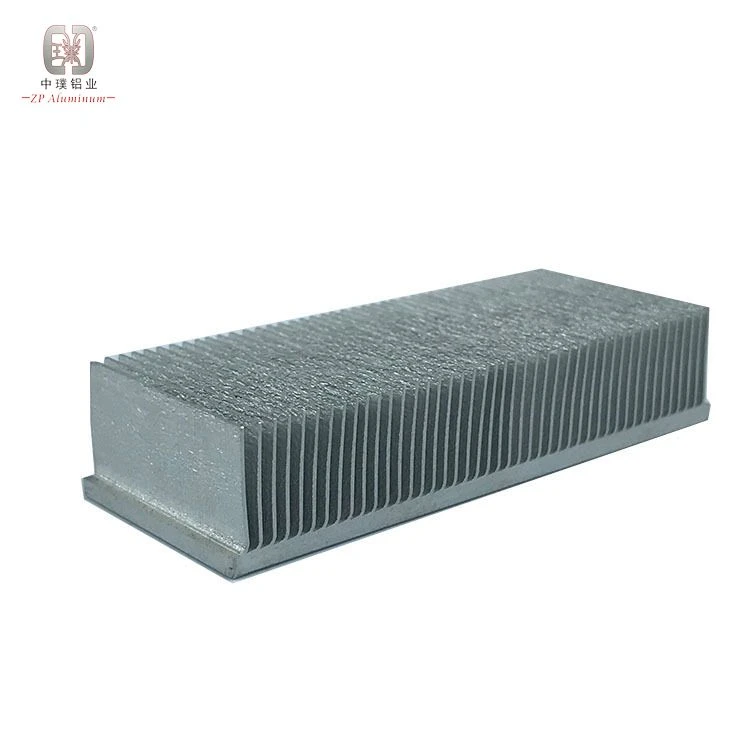
We also have Large Aluminum Skiving Heat Sink for Power System, which is specifically designed for high - power applications. These heat sinks are made from high - quality aluminum, ensuring both cost - effectiveness and excellent heat dissipation capabilities.
6. Conclusion and Call to Action
In conclusion, the choice of material for skived fin heat sinks depends on a variety of factors, including thermal requirements, cost, physical constraints, and environmental conditions. Whether you need a high - power heat sink for industrial applications or a lightweight heat sink for portable devices, we have the right solution for you.
If you are interested in our skived fin heat sinks and want to discuss your specific requirements, please feel free to reach out to us. Our team of experts is ready to assist you in selecting the most suitable heat sink and provide you with a customized solution. Let's work together to achieve efficient thermal management for your applications.
References
- Incropera, F. P., & DeWitt, D. P. (2002). Introduction to Heat Transfer, 4th Edition. Wiley.
- Holman, J. P. (2002). Heat Transfer, 9th Edition. McGraw - Hill.