



How does the heat sink's shape complexity affect its manufacturing cost?
 Sep 05, 2026|
 In the realm of thermal management, heat sinks play a pivotal role in dissipating heat from electronic components, ensuring their optimal performance and longevity. As an Aluminum Heat Sink supplier, I've witnessed firsthand how the shape complexity of heat sinks can significantly impact their manufacturing cost. This blog post delves into the intricate relationship between heat sink shape complexity and manufacturing cost, exploring the various factors at play and offering insights for businesses seeking cost-effective thermal solutions.
Understanding Heat Sink Shape Complexity
Heat sink shape complexity refers to the intricacy of the heat sink's design, including its geometric features, dimensions, and surface area. Simple heat sinks typically have straightforward shapes, such as rectangular or square profiles, with minimal surface features. In contrast, complex heat sinks may feature intricate geometries, such as fins, channels, or irregular shapes, designed to enhance heat dissipation efficiency.
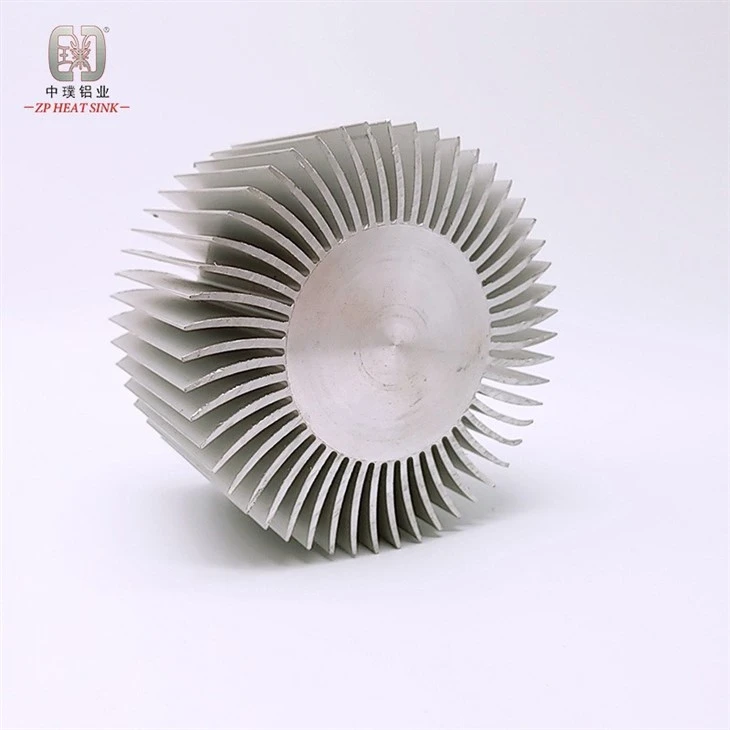

The shape complexity of a heat sink is often determined by the specific requirements of the application. For example, high-power electronic devices may require heat sinks with complex geometries to dissipate large amounts of heat effectively. Similarly, applications with limited space may necessitate the use of heat sinks with compact and intricate designs to fit within the available footprint.
Factors Affecting Manufacturing Cost
The manufacturing cost of a heat sink is influenced by several factors, with shape complexity being one of the most significant. Here are some key factors that contribute to the increased manufacturing cost of complex heat sinks:
Material Consumption
Complex heat sink designs often require more material to manufacture compared to simple designs. This is because intricate geometries, such as fins and channels, increase the surface area of the heat sink, which in turn requires more material to form. Additionally, complex designs may require the use of thicker or higher-quality materials to ensure structural integrity and heat dissipation efficiency, further increasing material costs.
Machining Complexity
Manufacturing complex heat sinks typically involves more complex machining processes compared to simple designs. Intricate geometries may require the use of advanced machining techniques, such as CNC milling, turning, or EDM (Electrical Discharge Machining), to achieve the desired shape and precision. These machining processes are often more time-consuming and require specialized equipment and skilled operators, resulting in higher manufacturing costs.
Tooling and Setup Costs
Complex heat sink designs may require custom tooling and setup to manufacture. This includes the design and fabrication of molds, dies, and fixtures, which can be expensive and time-consuming. Additionally, the setup time for machining processes may be longer for complex designs, as the equipment needs to be adjusted and calibrated to accommodate the intricate geometries. These tooling and setup costs are typically amortized over the production volume, meaning that the cost per unit is higher for low-volume production runs.
Quality Control and Inspection
Ensuring the quality and performance of complex heat sinks requires more rigorous quality control and inspection processes compared to simple designs. Intricate geometries may be more difficult to measure and inspect, requiring the use of specialized equipment and techniques. Additionally, complex heat sinks may be more prone to defects and variations, which need to be identified and corrected during the manufacturing process. These quality control and inspection processes add to the overall manufacturing cost.
Examples of Complex Heat Sink Designs
To illustrate the impact of shape complexity on manufacturing cost, let's take a look at some examples of complex heat sink designs:
Precision Round Aluminum Heat Sinks
Precision round aluminum heat sinks feature a circular shape with intricate fin designs. These heat sinks are often used in applications where space is limited and a high level of heat dissipation is required. The circular shape and complex fin designs make these heat sinks more difficult to manufacture compared to simple rectangular or square heat sinks, resulting in higher manufacturing costs.
Custom Aluminum Heatsinks
Custom aluminum heatsinks are designed to meet the specific requirements of a particular application. These heat sinks may feature complex geometries, such as irregular shapes, multiple fins, or integrated heat pipes, to optimize heat dissipation efficiency. The custom nature of these heat sinks requires more complex machining processes and custom tooling, resulting in higher manufacturing costs.
Custom Aluminum Heat Sink
Similar to custom aluminum heatsinks, custom aluminum heat sinks are designed to meet the specific needs of a particular application. These heat sinks may feature complex geometries, such as fins, channels, or cutouts, to enhance heat dissipation performance. The custom design and manufacturing process of these heat sinks make them more expensive compared to standard off-the-shelf heat sinks.
Insert Fin Heat Sink
Insert fin heat sinks feature a base plate with fins that are inserted into slots or grooves. These heat sinks are often used in applications where high heat dissipation is required and space is limited. The insert fin design adds complexity to the manufacturing process, as the fins need to be precisely inserted and secured to the base plate. This results in higher manufacturing costs compared to heat sinks with integrated fins.
Interlocking Fin Heat Sinks | Custom, Cost-Effective Cooling Solutions
Interlocking fin heat sinks feature fins that are interlocked or stacked together to form a high-surface-area heat sink. These heat sinks are often used in applications where high heat dissipation is required and space is limited. The interlocking fin design adds complexity to the manufacturing process, as the fins need to be precisely aligned and interlocked. This results in higher manufacturing costs compared to heat sinks with simple fin designs.
Balancing Shape Complexity and Manufacturing Cost
While complex heat sink designs offer superior heat dissipation performance, they also come with higher manufacturing costs. Therefore, it's important to strike a balance between shape complexity and manufacturing cost when designing and selecting heat sinks for a particular application. Here are some tips to help you achieve this balance:
Define Your Requirements
Before designing or selecting a heat sink, it's important to clearly define your requirements, including the heat dissipation capacity, space constraints, and budget. This will help you determine the level of shape complexity that is necessary to meet your requirements without overspending on manufacturing costs.
Consider Alternative Designs
In some cases, it may be possible to achieve the desired heat dissipation performance with a simpler heat sink design. For example, instead of using a complex heat sink with multiple fins, you may be able to use a heat sink with a larger surface area or a different fin geometry. By considering alternative designs, you can reduce the manufacturing cost without sacrificing performance.
Optimize the Design
Once you have determined the level of shape complexity that is necessary to meet your requirements, it's important to optimize the design to minimize manufacturing costs. This may include simplifying the geometry, reducing the number of features, or using standard components whenever possible. By optimizing the design, you can reduce the machining complexity, tooling and setup costs, and material consumption, resulting in lower manufacturing costs.
Partner with a Reliable Supplier
Working with a reliable Aluminum Heat Sink supplier is essential for achieving a balance between shape complexity and manufacturing cost. A reputable supplier will have the expertise and experience to design and manufacture heat sinks that meet your requirements while minimizing manufacturing costs. They will also be able to provide you with valuable insights and recommendations on heat sink design and manufacturing, helping you make informed decisions.
Conclusion
In conclusion, the shape complexity of a heat sink has a significant impact on its manufacturing cost. Complex heat sink designs offer superior heat dissipation performance but come with higher manufacturing costs due to factors such as material consumption, machining complexity, tooling and setup costs, and quality control and inspection. Therefore, it's important to strike a balance between shape complexity and manufacturing cost when designing and selecting heat sinks for a particular application.
As an Aluminum Heat Sink supplier, we understand the importance of providing cost-effective thermal solutions without compromising on performance. We have the expertise and experience to design and manufacture heat sinks that meet your specific requirements while minimizing manufacturing costs. If you're looking for high-quality heat sinks at competitive prices, we invite you to [contact us] for a consultation. Our team of experts will work with you to understand your needs and provide you with the best possible thermal solution.
References
- Incropera, F. P., & DeWitt, D. P. (2002). Fundamentals of heat and mass transfer. John Wiley & Sons.
- Holman, J. P. (2002). Heat transfer. McGraw-Hill.
- Kraus, A. D., Aziz, A., & Welty, J. (2001). Extended surface heat transfer. Wiley-Interscience.