




Are pin fin heat sinks environmentally friendly?
 Sep 09, 2026|
In today's world, environmental friendliness is a crucial consideration in every industry. As a supplier of pin fin heat sinks, I am often asked whether these heat sinks are environmentally friendly. This blog post aims to explore this question in depth, shedding light on the environmental aspects of pin fin heat sinks.
Understanding Pin Fin Heat Sinks
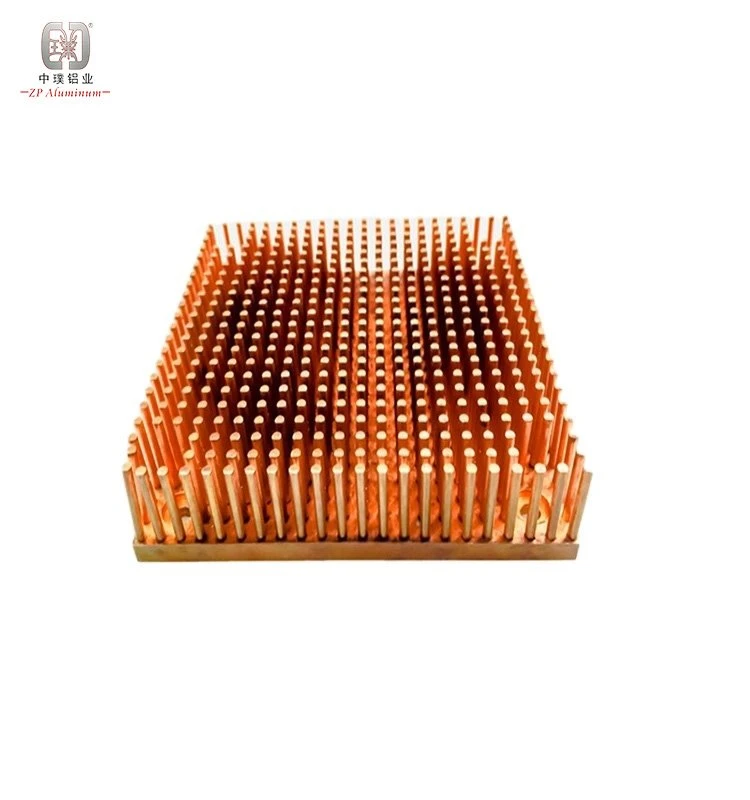
Pin fin heat sinks are thermal management devices designed to dissipate heat from electronic components. They consist of a base and an array of pins that increase the surface area available for heat transfer. This enhanced surface area allows for more efficient cooling, which is essential for maintaining the performance and longevity of electronic devices.
There are several types of pin fin heat sinks available in the market, each with its own unique characteristics. For instance, the Pin Fin Aluminum LED Heat Sink is a popular choice for LED lighting applications. Aluminum is a lightweight and corrosion - resistant material, which makes it suitable for various environments. On the other hand, the Copper Forged Pin Fin Heat Sink and Forged Copper Pin Fin Heat Sink are known for their excellent thermal conductivity. Copper can transfer heat more effectively than aluminum, making these heat sinks ideal for high - power electronic devices.
Environmental Impact of Manufacturing Process
The environmental friendliness of pin fin heat sinks starts with the manufacturing process. The production of heat sinks involves several steps, including material extraction, shaping, and finishing.
- Material Extraction: Aluminum is one of the most commonly used materials for pin fin heat sinks. The extraction of aluminum from bauxite ore requires a significant amount of energy. However, aluminum is highly recyclable. Recycling aluminum consumes only about 5% of the energy required to produce new aluminum from bauxite. This means that using recycled aluminum in the manufacturing of pin fin heat sinks can significantly reduce the environmental impact.
- **Copper, another popular material, also has an energy - intensive extraction process. But like aluminum, copper has a high recycling rate. Recycling copper reduces energy consumption and greenhouse gas emissions associated with mining and refining new copper.
- Shaping and Finishing: The processes used to shape pin fin heat sinks, such as machining and forging, can generate waste materials. However, modern manufacturing techniques are becoming more efficient, reducing the amount of waste produced. Additionally, many manufacturers are implementing waste management strategies to recycle or reuse these waste materials.
Energy Efficiency and Environmental Benefits
One of the key environmental advantages of pin fin heat sinks is their ability to improve the energy efficiency of electronic devices. By effectively dissipating heat, pin fin heat sinks help electronic components operate at optimal temperatures. This, in turn, reduces the energy consumption of these devices.
For example, in LED lighting systems, a Pin Fin Aluminum LED Heat Sink can keep the LEDs cool, allowing them to emit more light with less energy. This not only saves electricity but also reduces the overall carbon footprint of the lighting system. Similarly, in high - power electronic devices, Copper Forged Pin Fin Heat Sink and Forged Copper Pin Fin Heat Sink can improve the efficiency of the device, leading to less power consumption and lower emissions.
End - of - Life Considerations
The end - of - life phase of pin fin heat sinks is also an important aspect of their environmental friendliness. As mentioned earlier, both aluminum and copper heat sinks are highly recyclable. When a pin fin heat sink reaches the end of its useful life, it can be recycled and used to manufacture new heat sinks or other products.
Recycling heat sinks not only reduces the demand for virgin materials but also minimizes the amount of waste sent to landfills. This is in line with the principles of a circular economy, where resources are reused and recycled to minimize environmental impact.
Comparison with Other Heat Sink Types
To fully understand the environmental friendliness of pin fin heat sinks, it is useful to compare them with other types of heat sinks. For example, traditional plate - fin heat sinks may have a simpler design, but they may not be as efficient in terms of heat transfer. This means that electronic devices using plate - fin heat sinks may consume more energy to maintain the same operating temperature.
In contrast, pin fin heat sinks offer a better balance between heat transfer efficiency and material usage. Their unique design allows for a larger surface area with less material, which can lead to reduced material consumption and lower environmental impact.
Challenges and Future Improvements
While pin fin heat sinks have several environmental benefits, there are still some challenges that need to be addressed. For example, the manufacturing processes can still be further optimized to reduce energy consumption and waste generation. Additionally, the transportation of heat sinks from the manufacturing facility to the end - user can contribute to carbon emissions.

To overcome these challenges, manufacturers are investing in research and development to develop more sustainable manufacturing processes. This includes the use of renewable energy sources in the manufacturing facilities and the development of more efficient transportation methods.
Conclusion
In conclusion, pin fin heat sinks can be considered environmentally friendly. Their use of recyclable materials, ability to improve energy efficiency, and potential for end - of - life recycling all contribute to their positive environmental impact. As a supplier of pin fin heat sinks, we are committed to promoting sustainable practices in the manufacturing and use of our products.
If you are interested in purchasing high - quality and environmentally friendly pin fin heat sinks, please feel free to contact us. We are ready to provide you with the best solutions for your thermal management needs.
References
- ASHRAE Handbook - HVAC Systems and Equipment. American Society of Heating, Refrigerating and Air - Conditioning Engineers.
- Metals Handbook: Properties and Selection: Nonferrous Alloys and Pure Metals. ASM International.
- Environmental Impact Assessment of Electronic Components Manufacturing. Springer.