



What is the role of pin fin heat sinks in reducing the temperature of electronic components?
 Nov 20, 2026|
In the ever - evolving landscape of electronics, the efficient management of heat has become a critical factor in ensuring the longevity, reliability, and optimal performance of electronic components. As a leading supplier of pin fin heat sinks, I have witnessed firsthand the transformative role these devices play in the thermal management of various electronic systems. In this blog, we will explore the significance of pin fin heat sinks in reducing the temperature of electronic components, delving into their working principles, advantages, and real - world applications.
Understanding the Basics of Heat Generation in Electronic Components
Before we dive into the details of pin fin heat sinks, it's essential to understand why heat management is so crucial in electronics. Electronic components, such as microprocessors, power transistors, and LEDs, generate heat during their normal operation. This heat is a by - product of the electrical energy being converted into other forms of energy, such as light or mechanical motion, with some energy inevitably lost as heat due to the resistance of the electrical pathways.
Excessive heat can have detrimental effects on the performance and lifespan of electronic components. High temperatures can cause the performance of semiconductors to degrade, leading to increased latency, reduced processing speed, and even system failures. Moreover, thermal stress can damage the solder joints and other physical connections in the electronic device, shortening its overall lifespan. Therefore, effective heat dissipation is essential to maintain the stability and reliability of electronic systems.
How Pin Fin Heat Sinks Work
A pin fin heat sink is a type of heat sink that consists of a base and an array of pins protruding from the base. The base is typically in direct contact with the electronic component that needs to be cooled, and the pins provide a large surface area for heat transfer.
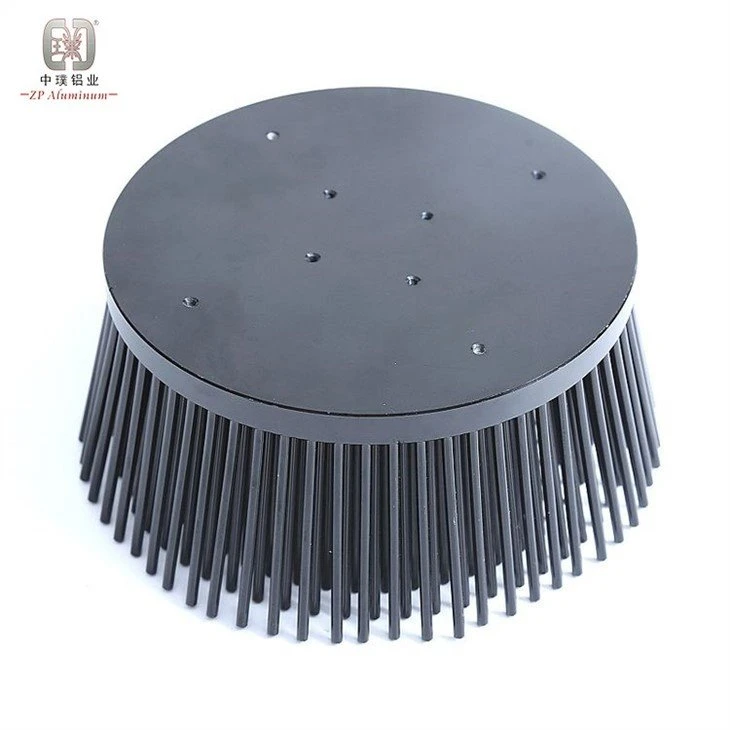

The working principle of a pin fin heat sink is based on the fundamental laws of heat transfer, namely conduction, convection, and radiation. When the electronic component generates heat, it is first conducted from the component to the base of the heat sink. The high - thermal - conductivity material of the base, usually aluminum or copper, quickly spreads the heat across the base. Then, the heat is transferred from the base to the pins.
Convection plays a significant role in the heat dissipation process. As air flows over the pins, heat is transferred from the pins to the air. The large surface area provided by the pins increases the contact area between the heat sink and the air, enhancing the convective heat transfer coefficient. Natural convection occurs when the air near the hot pins rises due to buoyancy forces, creating a continuous flow of air. Forced convection can be achieved by using fans to increase the air velocity, further improving the heat transfer rate.
Radiation also contributes to heat dissipation, although to a lesser extent compared to convection. The pins of the heat sink emit thermal radiation, which is absorbed by the surrounding environment.
Advantages of Pin Fin Heat Sinks
High Surface Area - to - Volume Ratio
One of the primary advantages of pin fin heat sinks is their high surface area - to - volume ratio. The numerous pins on the heat sink provide a significantly larger surface area compared to traditional flat - plate heat sinks of the same volume. This increased surface area allows for more efficient heat transfer, as there is more area available for the heat to be transferred to the surrounding air.
Enhanced Convective Heat Transfer
The shape of the pins promotes better air flow around the heat sink. The pins disrupt the boundary layer of the air flowing over the heat sink, reducing the thermal resistance and increasing the convective heat transfer coefficient. This results in more efficient heat dissipation, especially when combined with forced convection using fans.
Flexibility in Design
Pin fin heat sinks offer a high degree of flexibility in design. The size, shape, and spacing of the pins can be customized to meet the specific thermal requirements of different electronic components. For example, in applications where space is limited, smaller and more densely packed pins can be used. In applications with high - power components, larger pins or a more open pin arrangement may be more suitable to allow for better air flow.
Compatibility with Different Materials
Pin fin heat sinks can be made from a variety of materials, including aluminum and copper. Aluminum is lightweight, corrosion - resistant, and relatively inexpensive, making it a popular choice for many applications. Copper, on the other hand, has a higher thermal conductivity than aluminum, which allows for more efficient heat transfer. We offer a range of pin fin heat sinks made from different materials to meet the diverse needs of our customers. For instance, you can check out our Pin Fin Aluminum LED Heat Sink and Copper Forged Pin Fin Heat Sink, as well as Forged Copper Pin Fin Heat Sink products.
Real - World Applications of Pin Fin Heat Sinks
LED Lighting
LEDs are becoming increasingly popular in various lighting applications due to their energy efficiency and long lifespan. However, LEDs generate heat during operation, and excessive heat can reduce their light output, color quality, and lifespan. Pin fin heat sinks are widely used in LED lighting fixtures to dissipate the heat generated by the LEDs. Our Pin Fin Aluminum LED Heat Sink is specifically designed for LED lighting applications, providing efficient heat dissipation to ensure the optimal performance and longevity of the LEDs.
Power Electronics
Power electronic components, such as power transistors and voltage regulators, generate a significant amount of heat during operation. Pin fin heat sinks are used in power electronic devices, such as power supplies, inverters, and motor drives, to keep the temperature of these components within a safe operating range. The high - thermal - conductivity materials and efficient heat transfer design of pin fin heat sinks make them ideal for handling the high - power dissipation requirements of power electronics.
Computer Systems
In computer systems, microprocessors and graphics processing units (GPUs) generate a large amount of heat during intensive computing tasks. Pin fin heat sinks, often combined with fans, are used to cool these components. The high surface area - to - volume ratio of pin fin heat sinks allows for efficient heat dissipation, preventing the components from overheating and ensuring stable performance.
Partnering with a Professional Pin Fin Heat Sink Supplier
As a professional supplier of pin fin heat sinks, we are committed to providing our customers with high - quality products and excellent service. We have a team of experienced engineers who can design and customize pin fin heat sinks according to your specific requirements. Our state - of - the - art manufacturing facilities ensure the precise production of heat sinks with high quality and performance.
Whether you are in the LED lighting industry, power electronics, or computer systems, our pin fin heat sinks can meet your thermal management needs. We understand that each application is unique, and we work closely with our customers to develop the best heat sink solutions.
If you are looking for reliable pin fin heat sinks for your electronic components, we invite you to contact us for a consultation. We are ready to discuss your requirements and provide you with a customized solution that fits your budget and performance expectations.
Conclusion
In conclusion, pin fin heat sinks play a vital role in reducing the temperature of electronic components. Their high surface area - to - volume ratio, enhanced convective heat transfer, flexibility in design, and compatibility with different materials make them an ideal choice for a wide range of applications. As a leading supplier of pin fin heat sinks, we are dedicated to helping our customers achieve efficient thermal management in their electronic systems. If you have any questions or need further information, please feel free to reach out to us for procurement and discussion.
References
- Incropera, F. P., & DeWitt, D. P. (2001). Fundamentals of Heat and Mass Transfer. John Wiley & Sons.
- Holman, J. P. (2002). Heat Transfer. McGraw - Hill.