



What is the impact of humidity on the performance of Skived Fin Heat Sinks?
 Oct 13, 2026|
 Hey there! As a supplier of Skived Fin Heat Sinks, I've seen firsthand how different environmental factors can affect the performance of these nifty cooling devices. One factor that doesn't get as much attention as it should is humidity. So, let's dive into what humidity does to the performance of Skived Fin Heat Sinks.

What are Skived Fin Heat Sinks?
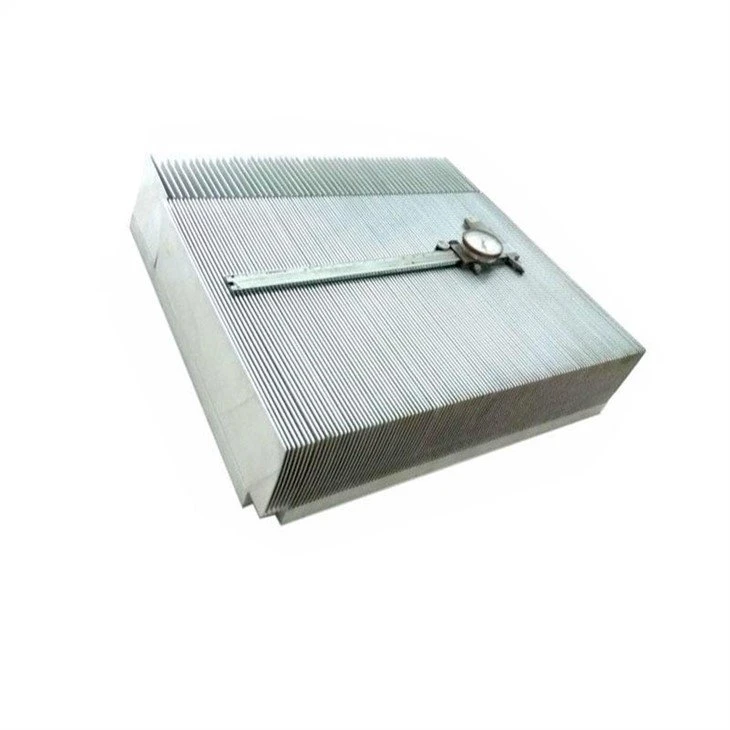
Before we talk about humidity, let's quickly go over what Skived Fin Heat Sinks are. These heat sinks are made by a process called skiving, where thin fins are cut from a solid block of material, usually aluminum. The result is a heat sink with high - density fins that can efficiently transfer heat away from a heat source, like a computer processor or a power electronic device. You can check out more about them on our Skived Fin Heat Sink page.
How Humidity Affects Heat Transfer
Humidity refers to the amount of water vapor in the air. When it comes to heat sinks, humidity can have a significant impact on how well they transfer heat.
Condensation
One of the most obvious effects of high humidity is condensation. When the temperature of the heat sink drops below the dew point of the surrounding air, water vapor in the air will condense on the surface of the heat sink. This is similar to how water droplets form on a cold glass on a hot, humid day.
Condensation can be a real problem for Skived Fin Heat Sinks. The water droplets on the fins can act as an insulating layer, reducing the efficiency of heat transfer. The water has a lower thermal conductivity compared to the metal of the heat sink, so it slows down the process of heat moving from the heat source to the surrounding air.
Moreover, if the condensation is severe, it can lead to corrosion of the heat sink. Aluminum, which is commonly used in Skived Fin Heat Sinks, is prone to corrosion in the presence of water. Corrosion can damage the fins, reducing their surface area and further degrading the heat - sinking performance.
Air Density and Heat Transfer Coefficient
Humidity also affects the density of the air. As humidity increases, the air becomes less dense because water vapor is less dense than dry air. The heat transfer coefficient, which is a measure of how well heat is transferred between the heat sink and the air, is related to the air density.
A lower air density means that there are fewer air molecules available to carry away the heat from the heat sink. This results in a lower heat transfer coefficient, which in turn reduces the overall heat - transfer rate of the Skived Fin Heat Sink. So, in a high - humidity environment, the heat sink may not be able to cool the heat source as effectively as it would in a dry environment.
Impact on Different Types of Skived Fin Heat Sinks
Large Aluminum Skiving Heat Sink for Power System
The Large Aluminum Skiving Heat Sink for Power System is designed to handle high - power applications. These heat sinks have a large surface area and are often used in power electronics, such as inverters and power supplies.
In a high - humidity environment, the large surface area of these heat sinks makes them more susceptible to condensation. The increased risk of corrosion can also be a major concern, as any damage to the fins can significantly reduce the heat - sinking capacity. This can lead to overheating of the power system, which may cause malfunctions or even permanent damage.
Aluminum Skived Fin Heat Sink
The Aluminum Skived Fin Heat Sink is a more general - purpose heat sink used in a variety of applications, from consumer electronics to industrial equipment.
Humidity can still have a negative impact on these heat sinks. The reduced heat - transfer efficiency due to condensation and lower air density can cause the temperature of the device being cooled to rise. This can affect the performance and lifespan of the device. For example, in a computer, overheating can lead to slower processing speeds and even system crashes.
Mitigating the Effects of Humidity
There are several ways to mitigate the effects of humidity on Skived Fin Heat Sinks.
Sealing and Coating
One option is to apply a protective coating to the heat sink. A coating can prevent water from coming into direct contact with the metal, reducing the risk of corrosion. Additionally, sealing the heat sink can help keep out moisture. This can be done by using gaskets or enclosures to create a barrier between the heat sink and the humid environment.
Dehumidification
Another approach is to control the humidity of the environment where the heat sink is located. Using a dehumidifier can help reduce the amount of water vapor in the air, lowering the risk of condensation. This is especially important in applications where the heat sink is used in a closed environment, such as a server room or an industrial cabinet.
Conclusion
Humidity can have a significant impact on the performance of Skived Fin Heat Sinks. From condensation and corrosion to reduced heat - transfer efficiency, the effects of humidity can lead to overheating and damage to the heat sink and the device it is cooling.
As a Skived Fin Heat Sink supplier, we understand the importance of providing heat sinks that can perform well in different environmental conditions. We offer a range of high - quality heat sinks, including the Skived Fin Heat Sink, Large Aluminum Skiving Heat Sink for Power System, and Aluminum Skived Fin Heat Sink.
If you're in the market for Skived Fin Heat Sinks and want to discuss how to ensure optimal performance in your specific environment, feel free to reach out to us. We're here to help you find the best cooling solution for your needs.
References
- Incropera, F. P., & DeWitt, D. P. (2002). Fundamentals of Heat and Mass Transfer. John Wiley & Sons.
- Holman, J. P. (2009). Heat Transfer. McGraw - Hill.