



How do forged heat sinks compare to air - cooled heat sinks?
 Nov 11, 2026|
Yo, what's up tech enthusiasts! Today, I'm stoked to chat about a hot topic in the world of cooling solutions: how forged heat sinks stack up against air-cooled heat sinks. As a supplier of top-notch forged heat sinks, I've seen firsthand the ins and outs of both types, and I'm here to break it down for you.
What are Forged Heat Sinks and Air-Cooled Heat Sinks?
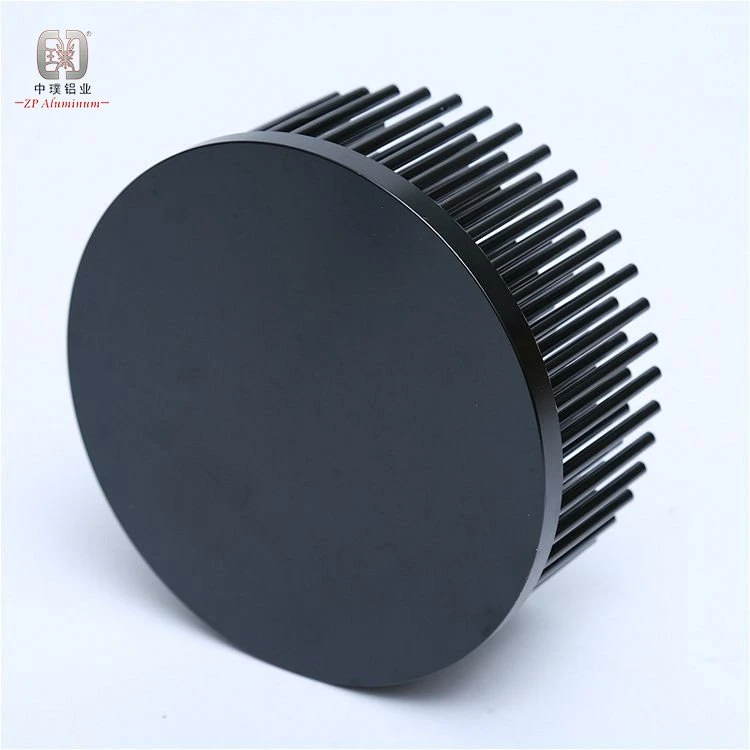
Let's start with the basics. Forged heat sinks are made through a process called forging, where metal (usually aluminum or copper) is shaped under high pressure. This results in a heat sink with a dense and uniform structure, which is great for heat transfer. We offer a variety of forged heat sinks, like the Round Cold Forged Heat Sink, High Density Fin Heat Sink For Laser Driver Machine, Cold forged Cob Heat Sink, Forged Copper Pin Fin Heat Sink, and High-Performance Industrial & Mining Light Heat Sinks | Cold Forged Aluminum.
On the other hand, air-cooled heat sinks rely on air circulation to dissipate heat. They typically have fins or other structures to increase the surface area for better heat transfer. Air-cooled heat sinks are pretty common and can be found in a wide range of electronic devices.

Performance Comparison
When it comes to performance, forged heat sinks have a few advantages. First off, their dense structure allows for better thermal conductivity. This means they can transfer heat more efficiently from the source (like a CPU or GPU) to the surrounding environment. In contrast, air-cooled heat sinks might struggle to keep up, especially in high-performance applications where a lot of heat is generated.
Another thing is that forged heat sinks can be designed with more complex shapes and features. This gives them an edge in terms of optimizing the heat transfer path. For example, the fins on a forged heat sink can be made thinner and more closely spaced, increasing the surface area without sacrificing strength. Air-cooled heat sinks, while they can also have fins, might be limited in their design due to manufacturing constraints.
However, air-cooled heat sinks do have their place. They're generally simpler and cheaper to manufacture, which makes them a popular choice for budget-friendly applications. They're also relatively easy to install and maintain, as they don't require any special equipment or processes.
Durability and Reliability
Forged heat sinks are known for their durability. The forging process makes them strong and resistant to damage. They can withstand high temperatures, vibrations, and other harsh conditions without losing their shape or performance. This makes them a great choice for industrial applications, where reliability is crucial.
Air-cooled heat sinks, while they can be durable, might not be as robust as forged ones. The fins on air-cooled heat sinks can be easily bent or damaged, which can reduce their effectiveness. Additionally, they might be more prone to corrosion over time, especially if they're exposed to moisture or chemicals.
Cost Considerations
Cost is always a factor when choosing a heat sink. Forged heat sinks tend to be more expensive than air-cooled ones. This is because the forging process is more complex and requires specialized equipment. However, the higher cost can be justified in applications where performance and reliability are top priorities.
Air-cooled heat sinks, as mentioned earlier, are generally more affordable. They're a great option for applications where cost is a major concern and the heat dissipation requirements aren't too high.
Applications
Both forged and air-cooled heat sinks have their own set of applications. Forged heat sinks are commonly used in high-performance electronics, such as servers, gaming PCs, and industrial equipment. Their ability to handle large amounts of heat makes them ideal for these demanding applications.
Air-cooled heat sinks are more widely used in consumer electronics, like laptops, smartphones, and home appliances. They're also used in some low-power industrial applications where cost and simplicity are important.
Making the Right Choice
So, how do you decide which type of heat sink is right for you? Well, it depends on your specific needs and requirements. If you're working on a high-performance project where heat dissipation is a critical issue, then a forged heat sink might be the way to go. However, if you're on a budget and don't need a lot of cooling power, an air-cooled heat sink could be sufficient.
As a supplier of forged heat sinks, I can help you find the perfect solution for your application. Whether you need a custom design or a standard off-the-shelf product, I've got you covered. If you're interested in learning more or getting a quote, don't hesitate to reach out. We're always happy to discuss your requirements and find the best heat sink for you.
In conclusion, both forged and air-cooled heat sinks have their pros and cons. By understanding the differences between them, you can make an informed decision and choose the heat sink that's right for your project. So, what are you waiting for? Let's get started on finding the perfect cooling solution for you!
References
- "Thermal Management Handbook" by Avram Bar-Cohen and Ali Boroushaki
- "Heat Transfer in Electronic Equipment" by R. J. Moffat and A. Faghri